
Thermal insulation uses specialized materials to restrict heat transfer, optimizing indoor comfort and energy efficiency. Put simply, it keeps your home warm in winter by trapping heat inside, and cool in summer by blocking external heat from entering.
While, thermal insulation offers extra surprising benefits you might not know about. In this blog, we will reveal one of the hidden advantages that high-quality insulation brings to your home: protecting your property from the moisture damages.
Introduction to the problem
We patched and painted the ceiling of one top-level unit in Wiley Park. Every room in the apartment had suffered long-term damp damage. The bathroom and living room ceilings—especially near the windows—were heavily affected by severe mould growth.
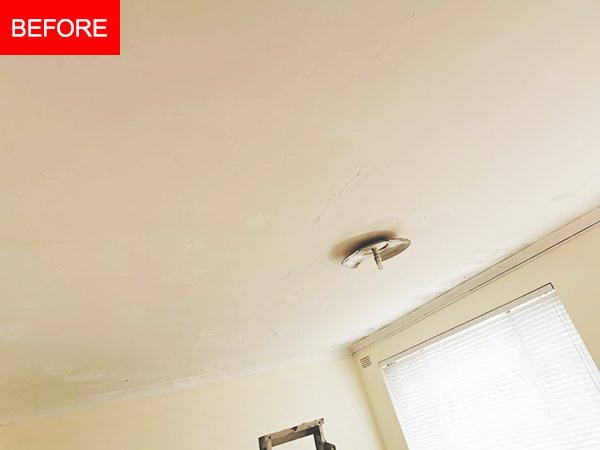
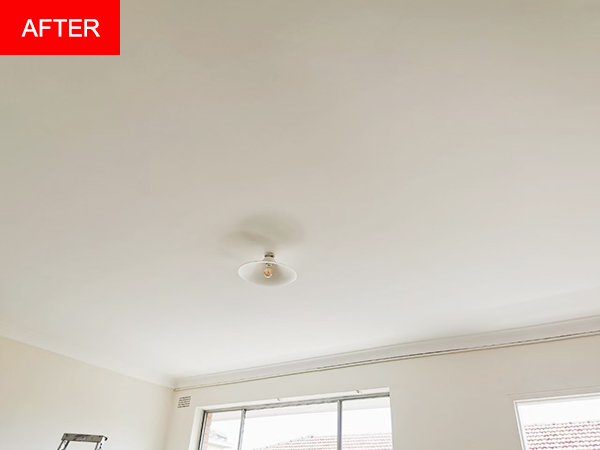
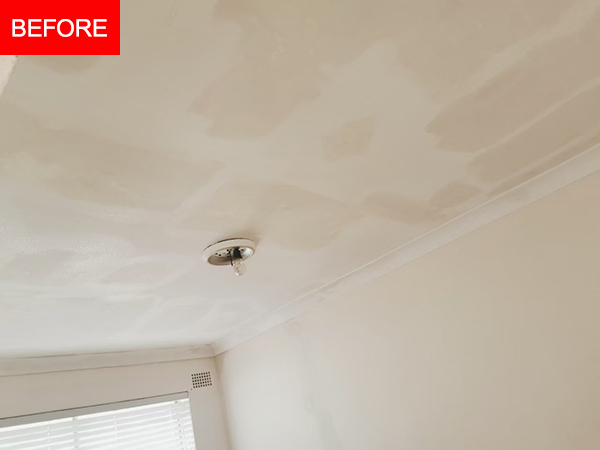
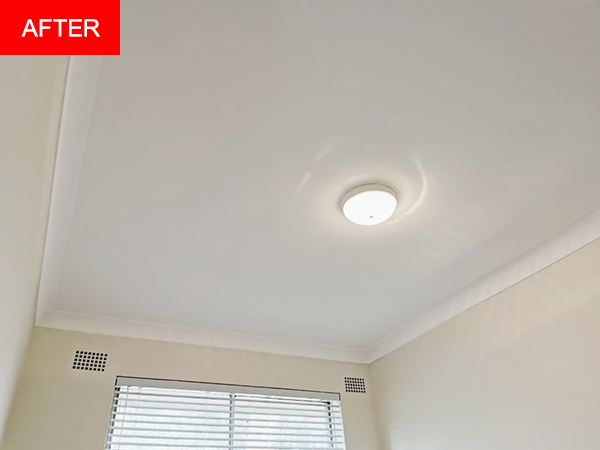
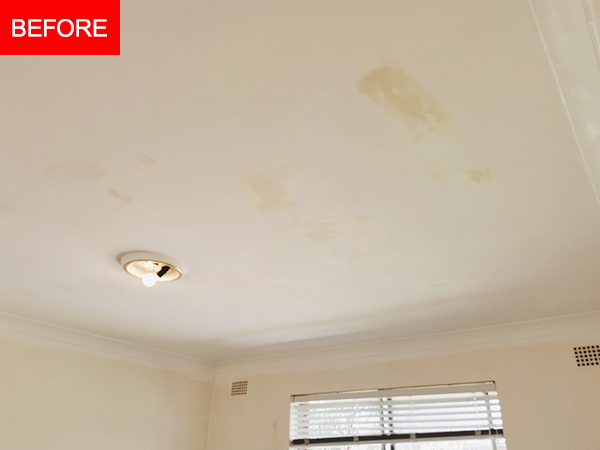
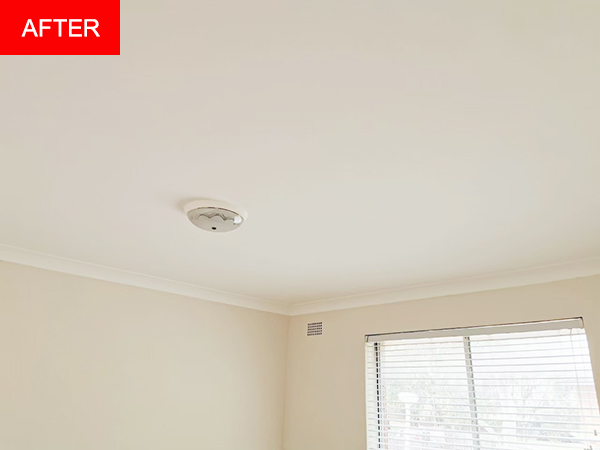
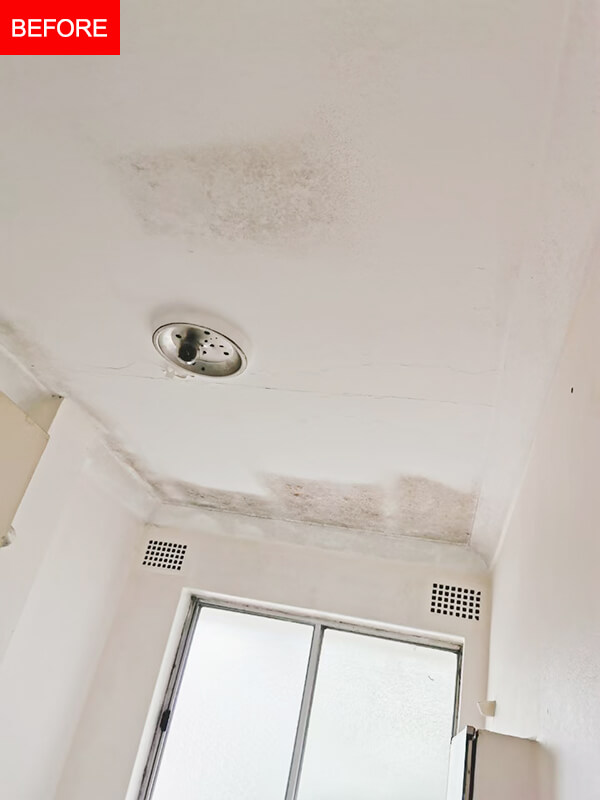
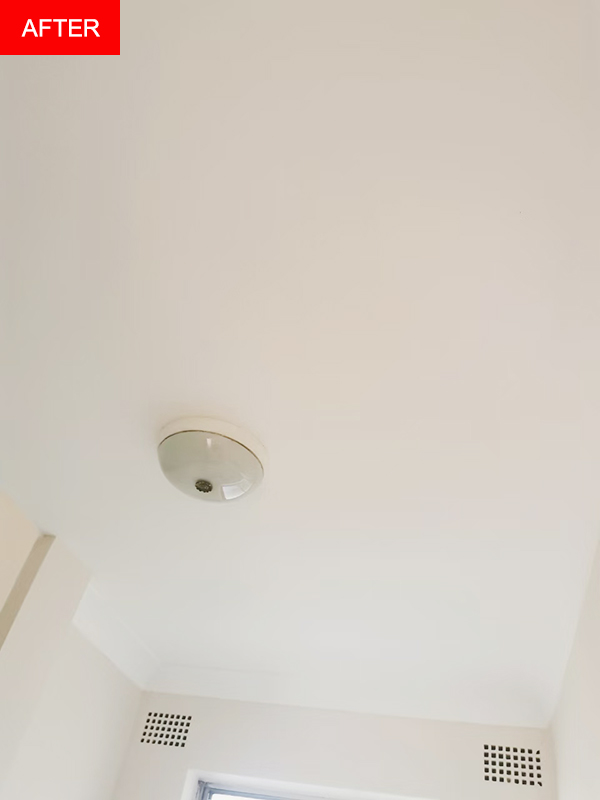
Inspection findings-missing ceiling insulation batts
To find the root cause, we inspected the roof cavity through the manhole. Just as we suspected, our theory was correct: the ceiling areas closest to the windows were completely bare, leaving them entirely exposed without any insulation batts.
Condensation usually happens in cold weather or when warm air meets cold surfaces. Exposed ceilings can greatly increase the chance of condensation in roof spaces.
CSR Bradford suggests using ceiling insulation batts and their roof foil insulation called Anti-condensation, especially for steel roof properties, to stop vapor (moisture in the air) from reaching the cold metal roof.
Why not whole ceiling has ceiling Insulation
This Wiley Park apartment features a classic terracotta tile roof and was likely constructed 50 years before, or even earlier. In that era, building regulations did not mandate roof or ceiling insulation.
UNSW, Chris Martin: Fifty years ago, it was the oil crises of the 1970s that triggered the creation of building energy standards across Europe and North America, and a widespread switch to double-glazing, increased insulation and concern for energy efficiency. In Australia, it wasn’t until the 1990s that minimum insulation requirements emerged. Only in 2003 did the Building Code of Australia set housing energy efficiency standards across the country.
Because only a few isolated sections of the ceiling actually had insulation wool, the uninsulated spaces became prime targets for condensation—particularly the areas closest to the eaves.
Benefits of ceiling insulation batts
This case proves that ceiling insulation batts offer extra function than just form a thermal barrier to keep your home comfortable year-round. Beyond temperature control, high-quality insulation serves as a defence against moisture, protecting your ceilings from the impacts of condensation damage.
Today, reflective foil insulation is a standard feature in Australian homes, sheds, and commercial buildings, frequently serving as sarking or a vapour control layer compliant with NCC 13.2.2.
NCC 13.2.2 Explanatory information: Installation of reflective insulation
Where reflective insulation also acts as a vapour barrier or sarking, both a minimum overlap and taping may be necessary.